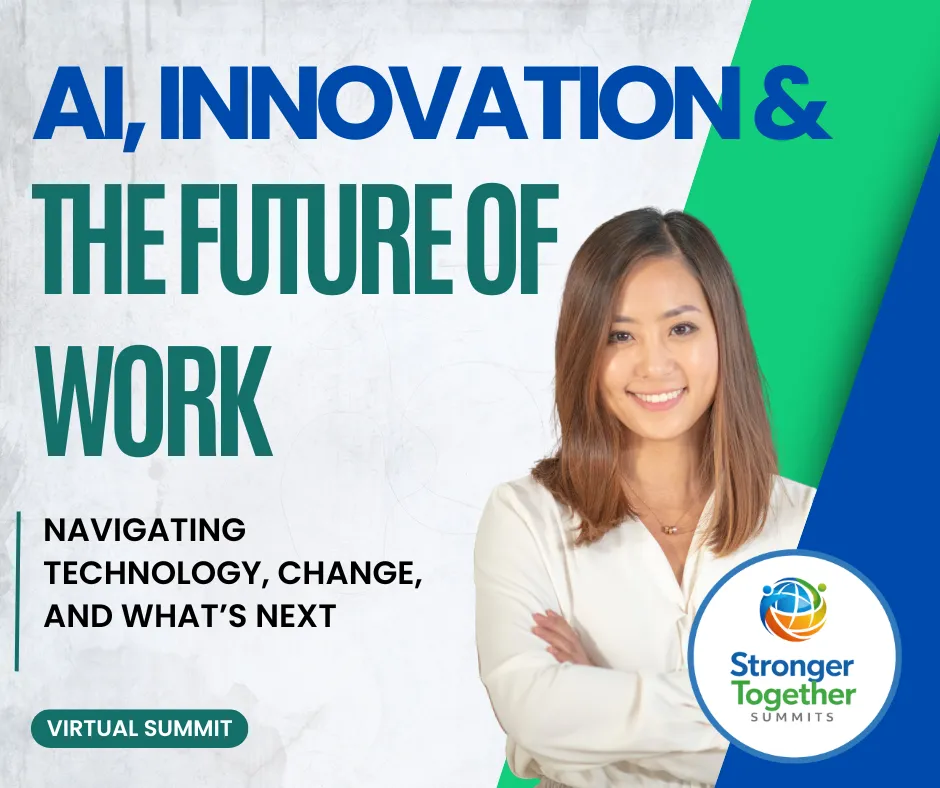
AI, Innovation & The Future of Work
Summit Date: April 25th, 2026 | 10 AM EST
This event has ended
Speakers

Developing People Leaders in the Age of AI - Mark Carpenter
Artificial Intelligence makes it easier to do many tasks…except lead people. Leading people requires Emotional Intelligence – people skills – that can’t be faked by AI. At the same time, AI used right can help your people leaders be more human. In this fast-paced keynote, we’ll share why people skills are more important than ever and how using Actual Intelligence helps make Artificial Intelligence useful for people leaders.

Still Here, Still Working: Designing Accessible Leadership with AI and Empathy - Lauren Wu, Esq., CIPP/Us
In this forward-looking keynote, Lauren Wu explores how leadership must adapt when capacity changes, drawing on lived experience with disability, recovery, and the use of AI as an accessibility tool. She reframes endurance-based leadership in favor of designing work with empathy, flexibility, and human-centered technology. By positioning AI as a tool for reducing cognitive load and enabling sustained contribution, she challenges organizations to rethink who work is designed for and who it leaves behind. Audiences leave with practical strategies to lead, contribute, and belong—even when work or life changes the rules.
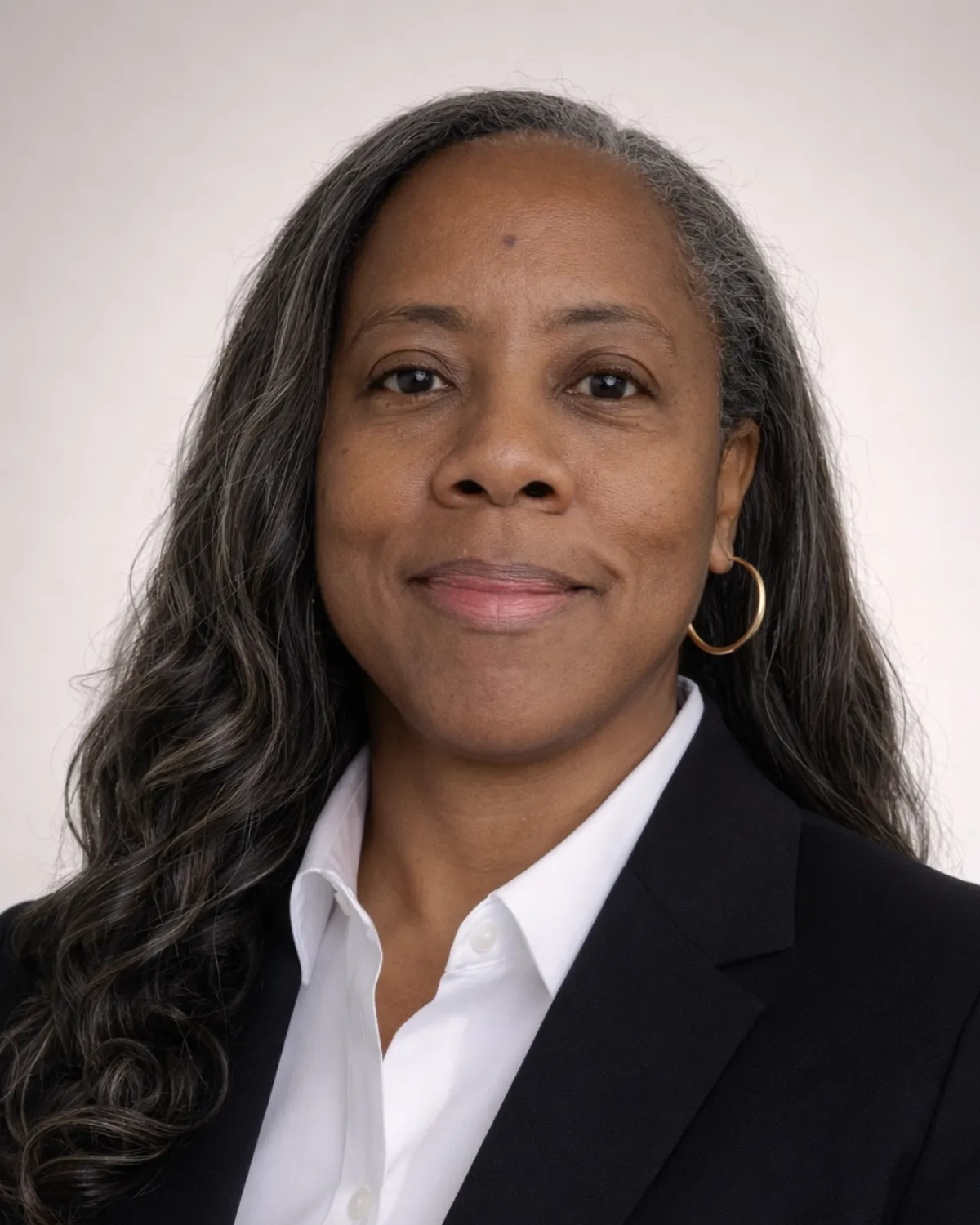
Protecting Capacity First: Why AI Implementation Fails Without It - Shawn Every
Most organizations rush to adopt AI tools without addressing the real problem: their people are already overextended. In this session, Shawn Every introduces the Capacity First approach to AI adoption, a framework that addresses human bandwidth before new technology ever enters the picture. Attendees leave with a clear way to spot capacity breakdowns before they block AI success and a practical three-step framework they can apply immediately.
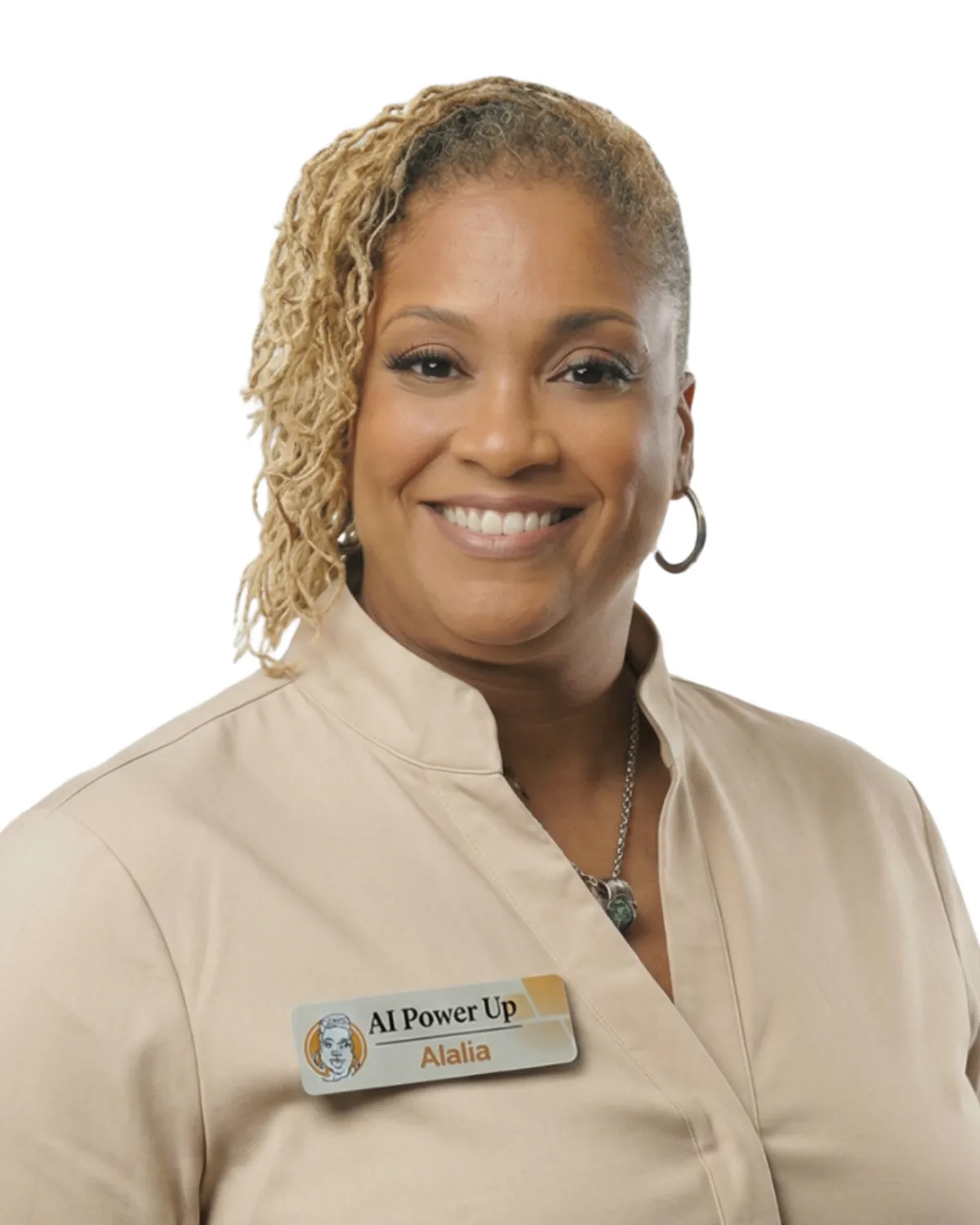
Designing the AI-Enabled Workforce: What HR Must Rethink Now - Alalia Lundy
AI is changing more than what work gets done. It is reshaping how people think, collaborate, and sustain performance. Yet most workforce models have not evolved to support this shift. This session explores the growing gap between AI capability and human capacity, and what HR must rethink now to design work that is both high-performing and sustainable. Attendees will gain a practical framework to move beyond task-based roles toward AI-enabled capabilities, while protecting employee wellbeing and improving how work actually gets done.

Copilot Without the Chaos: How to Prepare Your People, Policies, and Processes for AI - Quisha Umemba
As Microsoft Copilot becomes embedded in everyday tools like Outlook, Word, Excel, PowerPoint, and Teams, HR leaders are facing a new reality: AI adoption is already happening across the workforce, often without clear policies, training, or alignment. This session positions Copilot not as an IT rollout, but as a workforce strategy issue that directly impacts productivity, risk, culture, and employee experience. Attendees will learn how to guide responsible adoption by focusing on three critical areas: people, policies, and processes. Designed for HR leaders, people managers, and organizational decision makers, this session offers practical strategies to create clear guardrails, support employees, and implement AI in a way that enhances performance while protecting trust, compliance, and organizational integrity.

AI That Works for Humans: Ethical AI, Smart Policy, and the Future of Sustainable Work - Dr. Anna Thomas, MD
As AI adoption accelerates in the workplace, organizations face a critical challenge: not just what AI can do, but how it should be used. Without clear governance, AI can introduce risks such as inconsistent decision-making, misuse of employee data, and loss of trust across teams. In this session, Dr. Anna Thomas provides a practical, HR-focused framework for ethical AI implementation, outlining how to define purpose, set clear boundaries, maintain human accountability, and ensure transparency in AI-supported processes. Through real-world examples in hiring, performance management, and employee experience, participants will gain actionable guidance on building simple, effective policies that support responsible innovation while protecting both the organization and its people.
Don’t Fall Behind. Lead What’s Next.
Join leaders and innovators navigating the future of work with clarity and confidence.
(C) Stronger Together Summits | Expert Speakers